


Stronger Storms, Higher Stakes
As climate change accelerates, storms across North America are becoming stronger, more frequent, and increasingly unpredictable. Hurricanes, hailstorms, snowstorms, and high winds are no longer seasonal anomalies, they’re part of a growing pattern of extreme weather events. With this shift comes rising insurance premiums and stricter building codes, making the demand for durable roofing systems more urgent than ever.
The Hidden Hero Beneath Your Roof
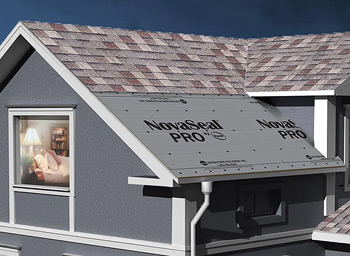
When most people think about roof durability, they picture visible elements such as shingles, metal panels, or tiles. However, what often goes unnoticed is the layer beneath these materials: the roofing underlayment. This hidden component plays a vital role in protecting the structure from water, wind, and long-term wear. It’s the silent protector that ensures your roof performs under pressure, especially when the outer layer is compromised.
Why Underlayment Matters
Roofing underlayment acts as a secondary water barrier, stepping in when shingles or tiles fail. It prevents water intrusion caused by wind-driven rain and ice dams, and it safeguards the roof deck during installation delays or after storm damage. In essence, underlayment is the unsung hero of roof resilience, quietly working to extend the life of the entire system.
Choosing the Right Underlayment
Not all underlayment’s are created equal. High tear strength is crucial to withstand wind uplift and flying debris during storms. A 100% waterproof or highly water-resistant material ensures that moisture doesn’t penetrate the roof deck. A slip-resistant top surface not only improves safety for installers but also speeds up the installation process. UV resistance is another key feature, offering temporary protection when the roof is exposed to a post-storm or during construction delays. Most importantly, the underlayment should meet or exceed local building codes to ensure compliance and long-term performance.
Storm Season Preparation
Preparing for storm season means more than just checking shingles. It requires a thorough inspection of the entire roofing system, including the underlayment. Aging or worn materials should be replaced with high-performance alternatives that offer superior protection. Full deck coverage, proper fastener spacing, and correct overlap techniques are essential for maximizing durability. In high-wind zones, using cap nails or cap staples, as specified, can make a significant difference. Contractors and homeowners alike should be educated on best practices to ensure every roof is built to withstand the worst.
Build for the Future, Not Just the Forecast
Roof durability starts below the surface. It’s not enough to build for the next storm or season we must build for the next decade. That means choosing underlayment that’s tested, trusted, and built to last. At ecp.itape.com, you’ll find a range of high-performance roofing solutions designed to weather more than just storms, they’re built to weather time.