

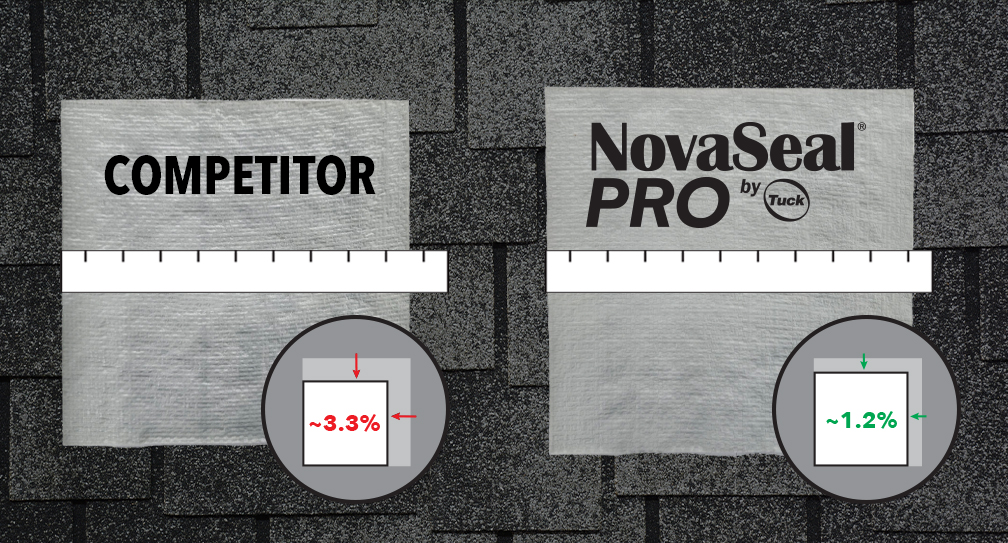
When thinking about the longevity of your roof, most people focus on the shingles, tiles, or metal panels that make up the exterior layer. However, there’s a hidden but vital component that often goes overlooked: the roof underlayment.
Roof underlayment plays a pivotal role in your roofing system’s overall performance. It’s the layer installed directly onto the roof deck, beneath the shingles or other roofing materials, acting as a secondary barrier against moisture, wind, and other elements. But what many don’t realize is that underlayment shrinkage can significantly compromise this protection – and in turn, shorten the lifespan of your entire roof.

What Causes Roof Underlayment to Shrink?
Underlayment shrinkage typically occurs due to:
- Exposure to UV rays (when left uncovered too long)
- Temperature fluctuations
- Moisture absorption and drying cycles
- Poor-quality materials or improper installation
This shrinkage can result in the underlayment pulling away from critical areas, such as valleys, eaves, and around penetrations, leading to gaps and vulnerabilities in your roofing system.
Why Is Underlayment Shrinkage a Big Deal?
Here’s why it’s more serious than you might think:
- Loss of Waterproofing Integrity
Underlayment is your roof’s last line of defense against water intrusion. When it shrinks, it can pull away from seams and fasteners, creating exposed areas where water can infiltrate. This can lead to:- Leaks in your attic or ceiling
- Mold and mildew development
- Rotted sheathing or framing
- Compromised Wind Uplift Resistance
Many modern underlayments contribute to the roof system’s ability to withstand uplift forces from high winds. If the underlayment shrinks and loses adhesion or fastener hold, it weakens the entire system’s structural integrity – especially critical in hurricane- or storm-prone regions. - Delamination and Wrinkling Beneath Shingles
Shrinkage can cause the underlayment to wrinkle or buckle. This creates an uneven surface that can telegraph through asphalt shingles, causing them to lift or wear prematurely. Worse, wrinkled underlayment may prevent shingles from sealing properly, leaving them vulnerable to blow-off. - Shortened Roof Life
All of the above add up to a single painful truth: if your underlayment fails, your roof will likely fail long before its intended service life. Even if you invest in premium shingles or tiles, a shrinking underlayment undermines that investment from day one.
How to Prevent Underlayment Shrinkage
Fortunately, underlayment shrinkage is preventable – but only with the right practices and materials:
- Use high-quality, low-shrink underlayments
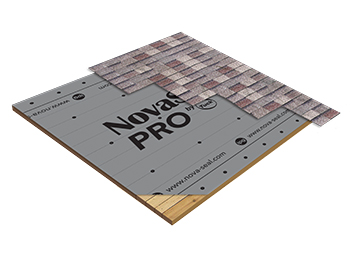
Not all underlayments are created equal. NovaSeal PRO from IPG is engineered specifically to combat shrinkage, outperforming traditional felt and many synthetics in dimensional stability and durability. Its advanced formulation resists UV degradation, moisture cycling, and temperature extremes – making it a top choice for contractors who prioritize long-term performance.
- Limit exposure times – Even the best underlayments benefit from timely coverage. Ensure the roof covering is installed quickly after the underlayment to reduce UV and moisture exposure.
- Follow manufacturer guidelines
Each underlayment has specific requirements for installation, fastening, and overlap. Cutting corners can lead to shrinkage and other failures – even with premium products like NovaSeal PRO.
- Proper ventilation and moisture control – Minimizing moisture buildup in the attic and roof deck will reduce the chance of underlayment degradation over time.
Final Thoughts
A roof is only as strong as its weakest layer. NS PRO from IPG outperforms the competition where shrinkage is concerned. While underlayment may be out of sight, it should never be out of mind – especially when it comes to shrinkage. Using the right products and installation techniques today can save homeowners thousands of dollars in premature roof repairs or replacements down the line.
If you’re a contractor, make sure your team understands the importance of underlayment selection and proper handling. And if you’re a homeowner, don’t hesitate to ask your roofer what type of underlayment they’re using – and why.
Because in roofing, it’s what’s underneath that truly counts.